polar bear
The polar bear is a creature of the frozen North that appears as a sudden, lethal threat on the iceberg where John Rowland and the child Myra are stranded after the sinking of the Titan. Its arrival transforms the already desperate survival situation into a direct physical confrontation, and the fight that follows permanently alters Rowland's body and his life.
Appearance and Attack
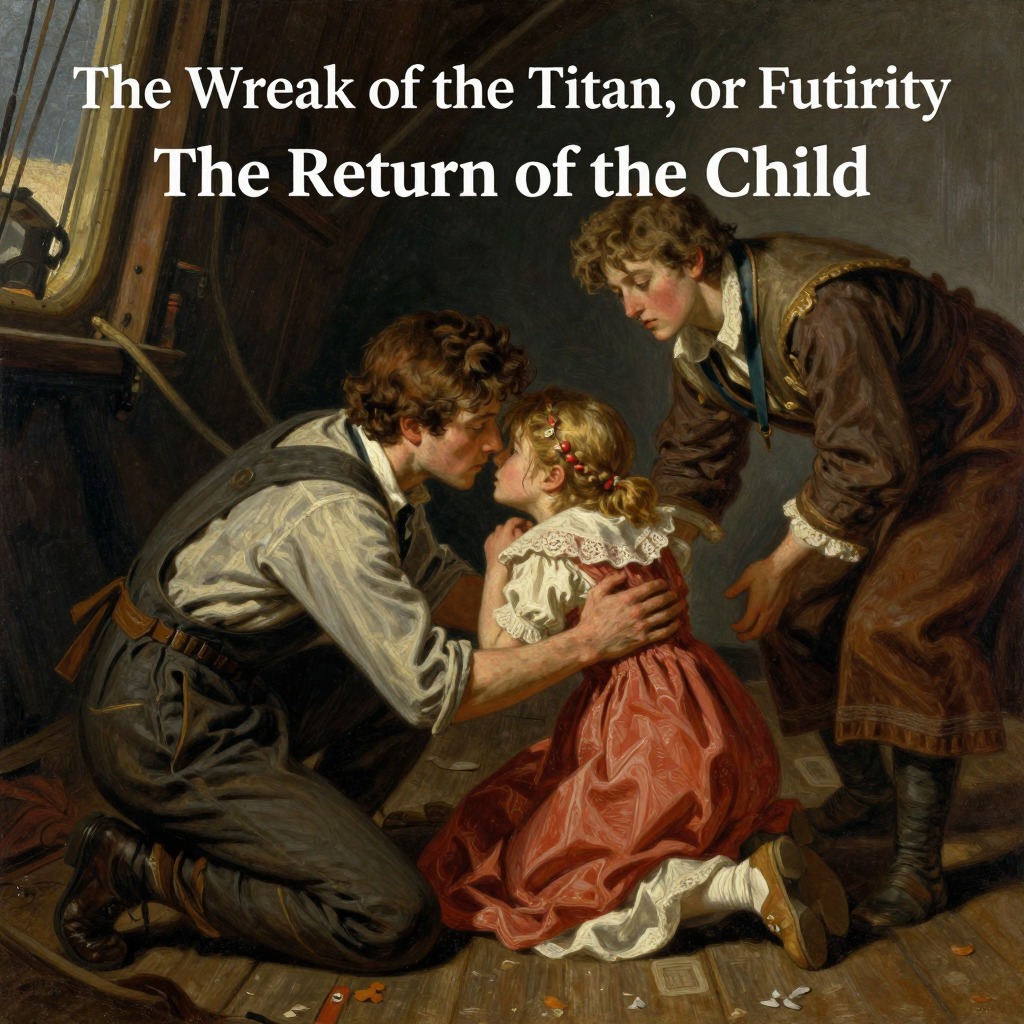
At dawn on the first day after the shipwreck, Rowland, still suffering from the effects of the drug he had been given, sees a moving white object approaching from the direction of the ice peaks. As it draws nearer, he recognizes it as a polar bear, lean and famished, coming on at a lumbering run with great red jaws half open and yellow fangs exposed. The bear has scented food and is seeking it. Rowland has no weapon but a strong jackknife, which he opens as he runs. He does not hesitate, for the bear's presence threatens the child whose life has become more important to him than his own. To his horror, he sees Myra creep out of the canvas shelter just as the bear rounds the corner of the wrecked bridge. The bear reaches the child first and, with a blow of its massive paw, dashes her a dozen feet away, where she lies quiet.
The Knife Fight
Turning to follow the child, the bear is met by Rowland. The animal rises to its haunches, sinks down, and charges. Rowland feels the bones of his left arm crushing under the bite of the big, yellow-fanged jaws. Falling, he buries the knife blade in the shaggy hide. The bear, with an angry snarl, spits out the mangled member and deals him a sweeping blow that sends him farther along the ice than the child had gone. He arises with broken ribs, scarcely feeling the pain, and awaits the second charge. Again the crushed and useless arm is gripped in the yellow vise, and again he is pressed backward, but this time he uses the knife with method. The great snout presses his breast; the hot, fetid breath is in his nostrils; at his shoulder the hungry eyes glare into his own. He strikes for the left eye of the brute and strikes true. The five-inch blade goes in to the handle, piercing the brain. The animal, with a convulsive spring that carries him halfway to his feet by the wounded arm, rears up with paws outstretched to full eight feet of length, then sags down and, with a few spasmodic kicks, lies still. Rowland has done what no Inuit hunter will attempt: he has fought and killed the tiger-of-the-north with a knife.
Consequences and Aftermath
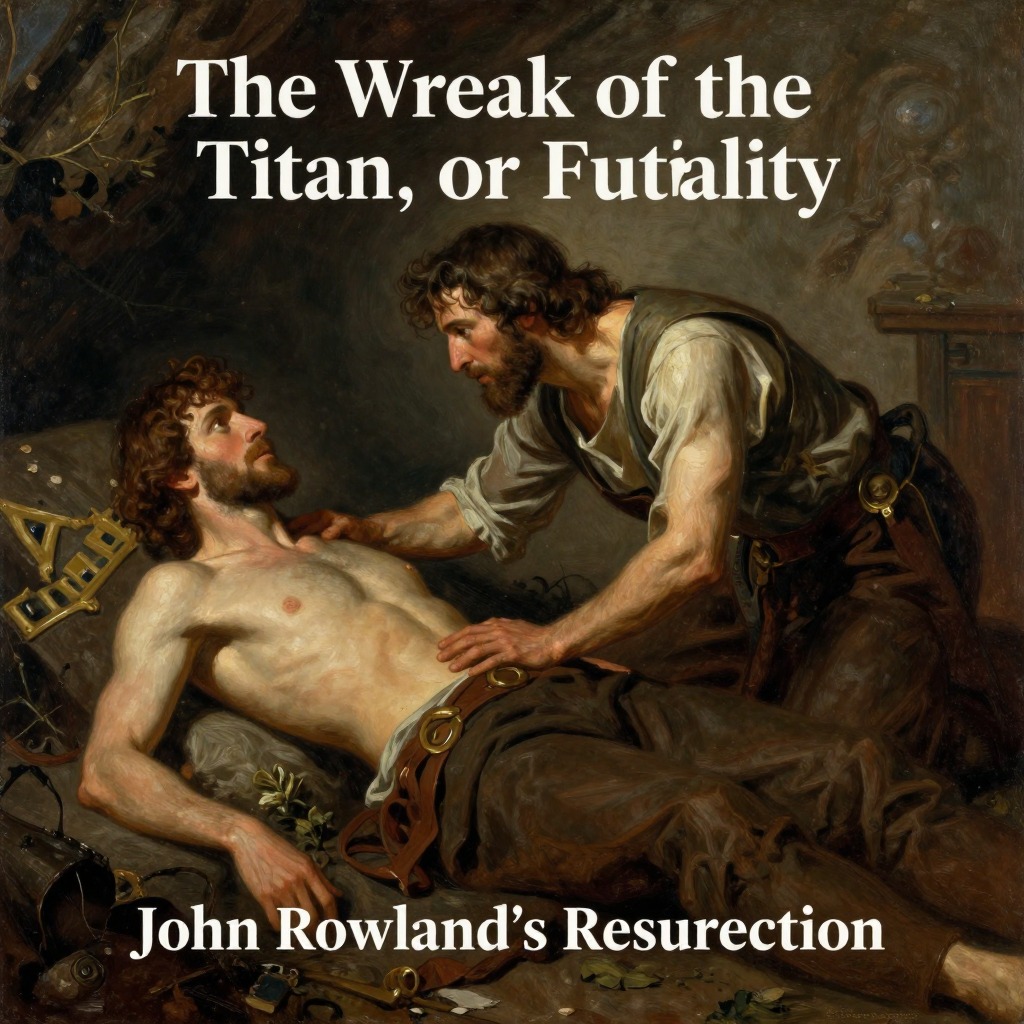
The fight lasts only a minute, but in that minute Rowland is crippled for life. The bones of his left arm are fractured into particles, his ribs are crushed, and even the best surgical skill in a hospital could hardly reset them. Adrift on a floating island of ice near the freezing point, without even the rude appliances of a savage, he must tend his own wounds and the child's. He painfully makes his way to Myra, who is bleeding from four deep, cruel scratches extending diagonally from her right shoulder down the back, though her soft, yielding bones are unbroken. Of pure necessity, he first attends to himself: he wraps the baby in his coat, places her in the shelter, and cuts and makes from canvas a sling for his dangling arm. Then, with knife, fingers, and teeth, he partly skins the bear, often compelled to pause to save himself from fainting with pain. He cuts a broad slab from the warm layer of fat and, after bathing the wounds at a near-by pool, binds it firmly to the little one's back, using her torn nightgown for a bandage. The bear furnishes food: he cuts a steak from the hindquarters, toasts it on a splinter, and finds it sweet and satisfying. The carcass also provides kindling wood from the wreckage, and he uses the fat and meat to sustain them through the days of delirium that follow. Later, when Rowland is rescued by the bark Peerless, Captain Barry testifies that he saw the polar bear that Rowland killed in open fight, and that while nursing him away from death he heard no whines or complaints. The bear's attack and Rowland's victory become a key piece of evidence in the legal confrontation at Lloyds, and the story, embellished by reporters, is cabled to New York, where it precedes Rowland's arrival. At his trial for kidnapping, the magistrate, after reading the newspaper account, discharges him, remarking that if Mrs. Selfridge reads of his defending her child from a polar bear, she will doubt that she needs to tell it any more bear stories.
Symbolic Significance
The polar bear functions as more than a physical threat; it is the ultimate test of Rowland's transformation. The fight occurs at the lowest point of his life, after he has been drugged, shipwrecked, and left for dead on an iceberg. His willingness to sacrifice himself for the child marks a decisive break from his past as a drunken, despairing outcast. The bear, described as the tiger-of-the-north, represents the raw, indifferent violence of nature that the Titan's technology was supposed to have conquered. Rowland's victory, achieved with only a knife and at the cost of his arm, is a primal, almost mythic act that redefines his identity. The bear's carcass, which provides food, warmth, and materials, also serves as a practical foundation for survival, linking the creature's death directly to the preservation of the child's life. In the end, the bear becomes a symbol of Rowland's courage and the extremity of his ordeal, a story that follows him from the iceberg to the courtroom and ultimately helps secure his freedom.